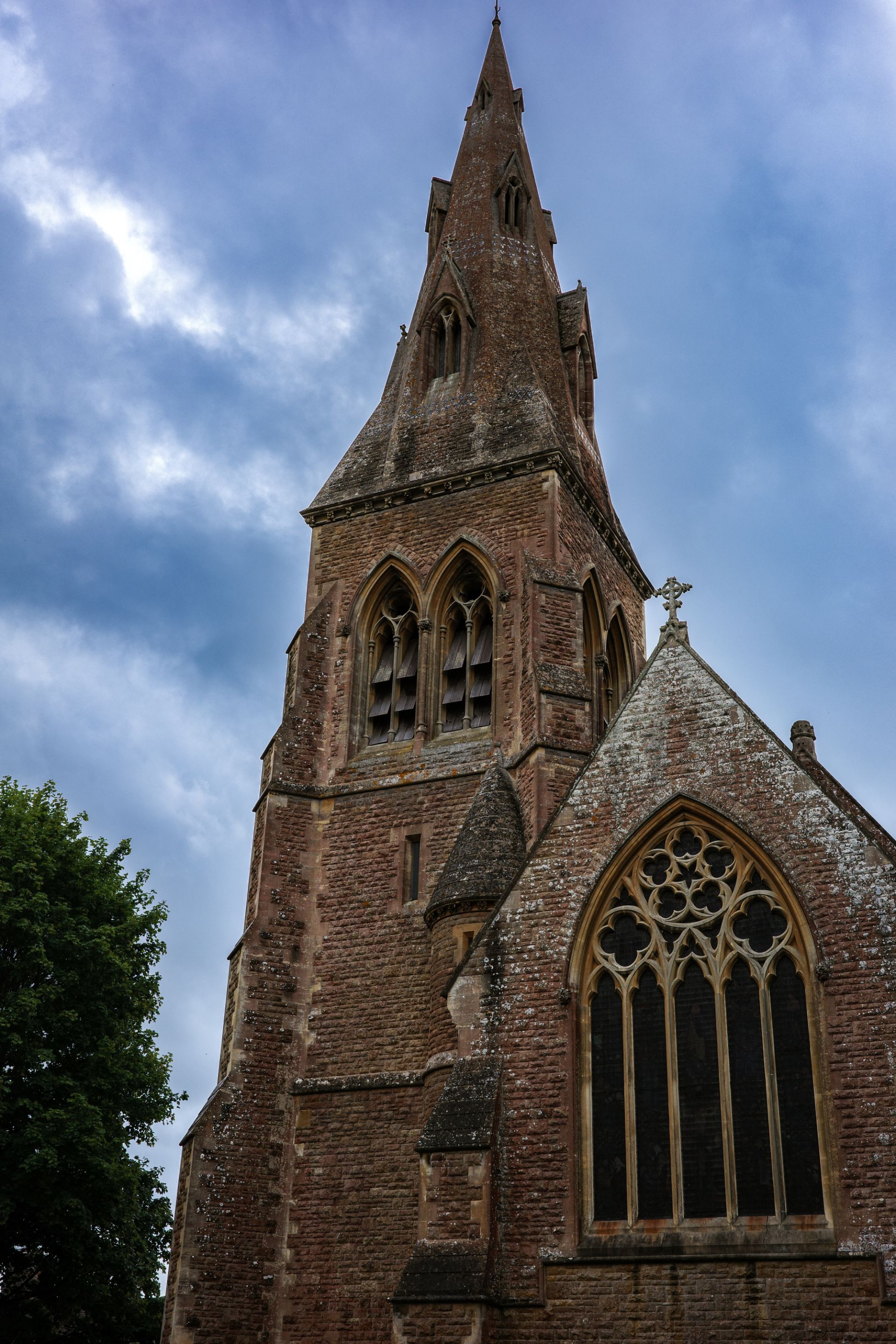
Churches are more than just places of Worship, they often sit on top of other layers in our history, if you could peel them like an orange, you’d find Saxon and Roman history sat right beneath their foundations. St Mary’s in the village of Stratfield Mortimer, part of the wider modern village Mortimer, is a classic case in point.
The current building dates back to the Victorian era, built in the Gothic style between 1866 and 1869, designed by Richard Armstrong, built by William Rhind on the site of a much smaller medieval church. It was sponsored by Richard Benyon II of Englefield House.
Stratfield Manor dates back to the time of Edward the Confessor, the Domesday book records it as being held by Ralf Mortimer and remained in the ownership of the Mortimer family until their descendant, the Earl of March, grandson of Anne de Mortimer, became King Edward IV.
Nearby there are some other historic points of interest including the “Devil’s Highway” which lies beneath the path running along the southern boundary of the church’s grounds. This old Roman road linked London with nearby Silchester (Calleva Atrebatum), a place I’ve made a video about in the past.
In the nearby woodland lies an old bronze age barrow, plus three smaller bowl barrows, which I am now intrigued to find, having just learnt of their existence.
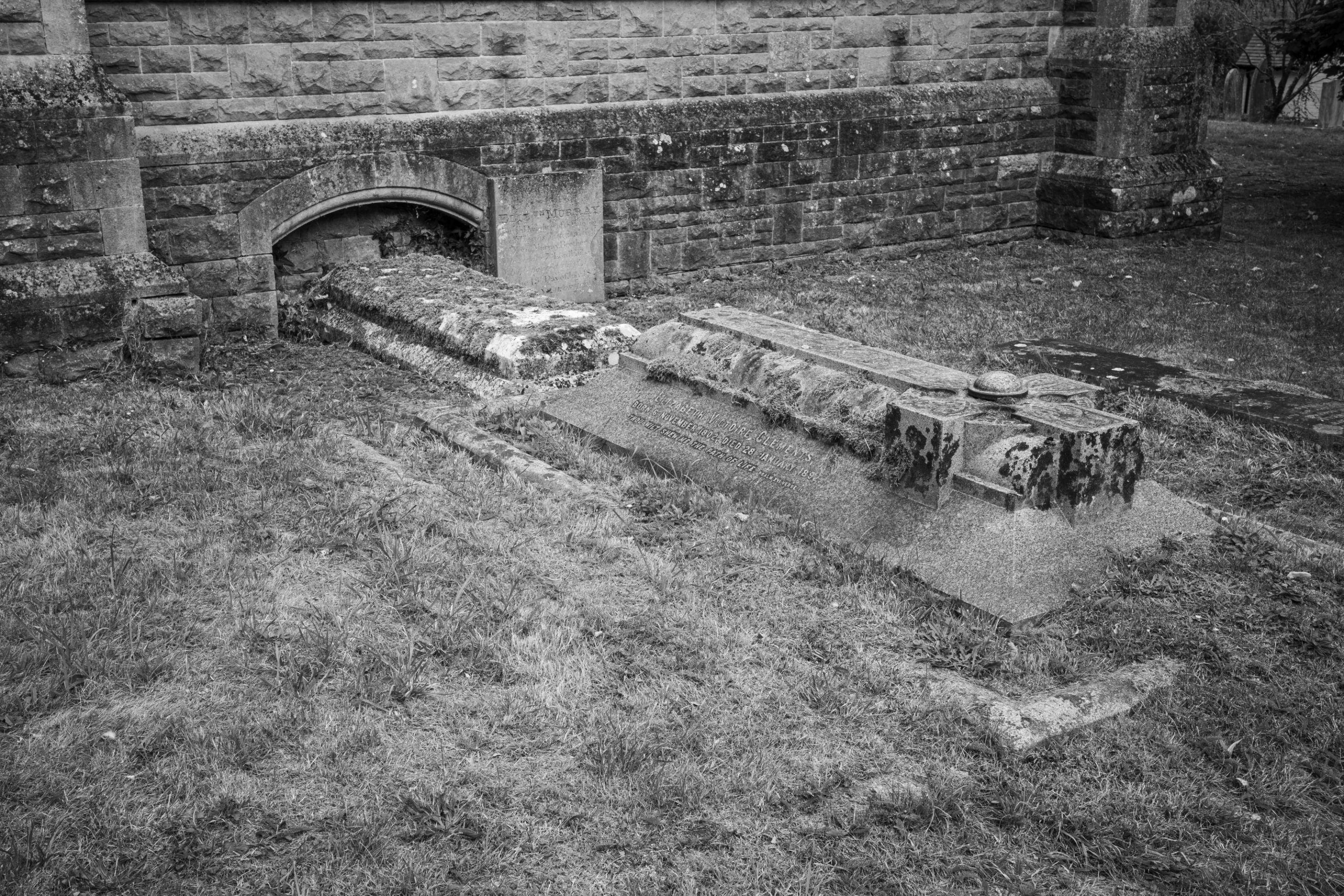 I was fascinated by this detail at the base of the vestry. Here we can see three graves, with one seemingly emerging from the wall, the little arch - it appears to be part of the 1860’s construction. There was an older church on this site, that this one replaced but are elements of the old building still in place? I couldn’t see how old these graves are. Could they have been there prior to 1866?
There is a very old tomb, or at least it’s stone cover, inside the church that I’ve never seen but it dates back to around 1020, the burial place of Aegelward and I found a really interesting leaflet on this - download from https://www.mortimervillage.org.uk/sites/mvp/files/MTTA/The_Parish_Church_of_StMary_the_Virgin.pdf
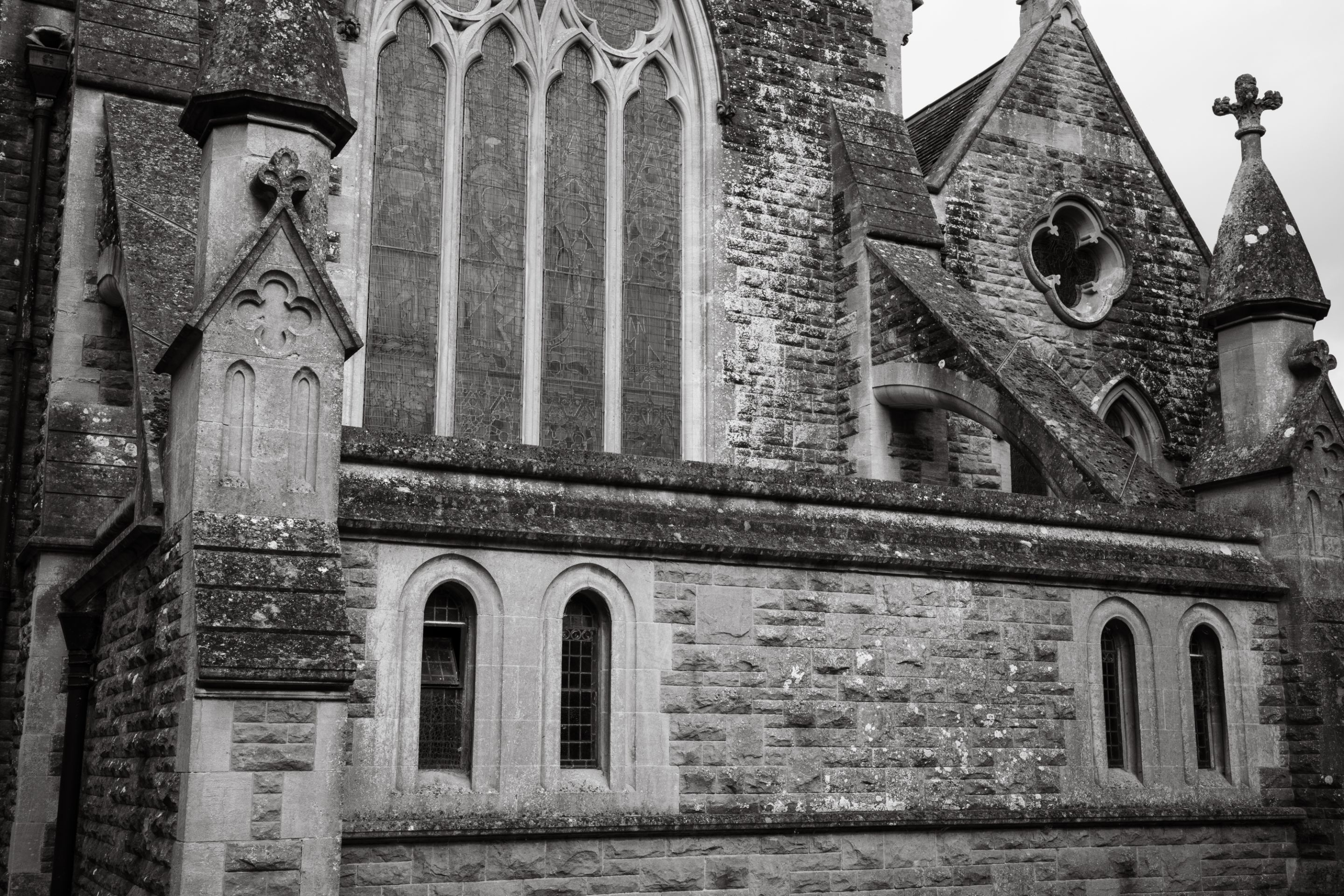 The church comprises of different facades and the flying buttresses connecting the single storey vestry to the main building, an interesting architectural detail. The walls where stained glass windows are installed, tend to be heaviest and the buttresses support the weight over time.
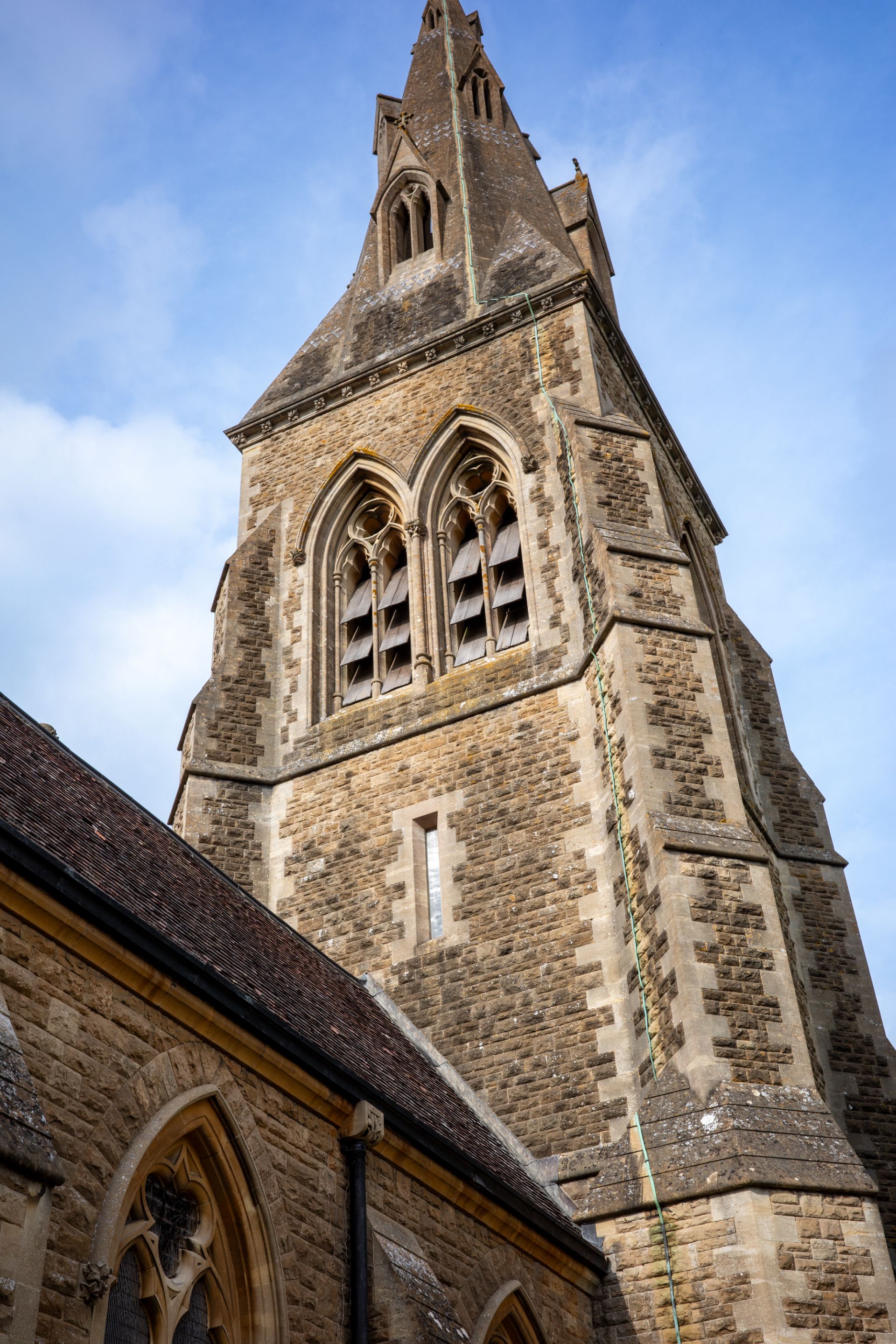
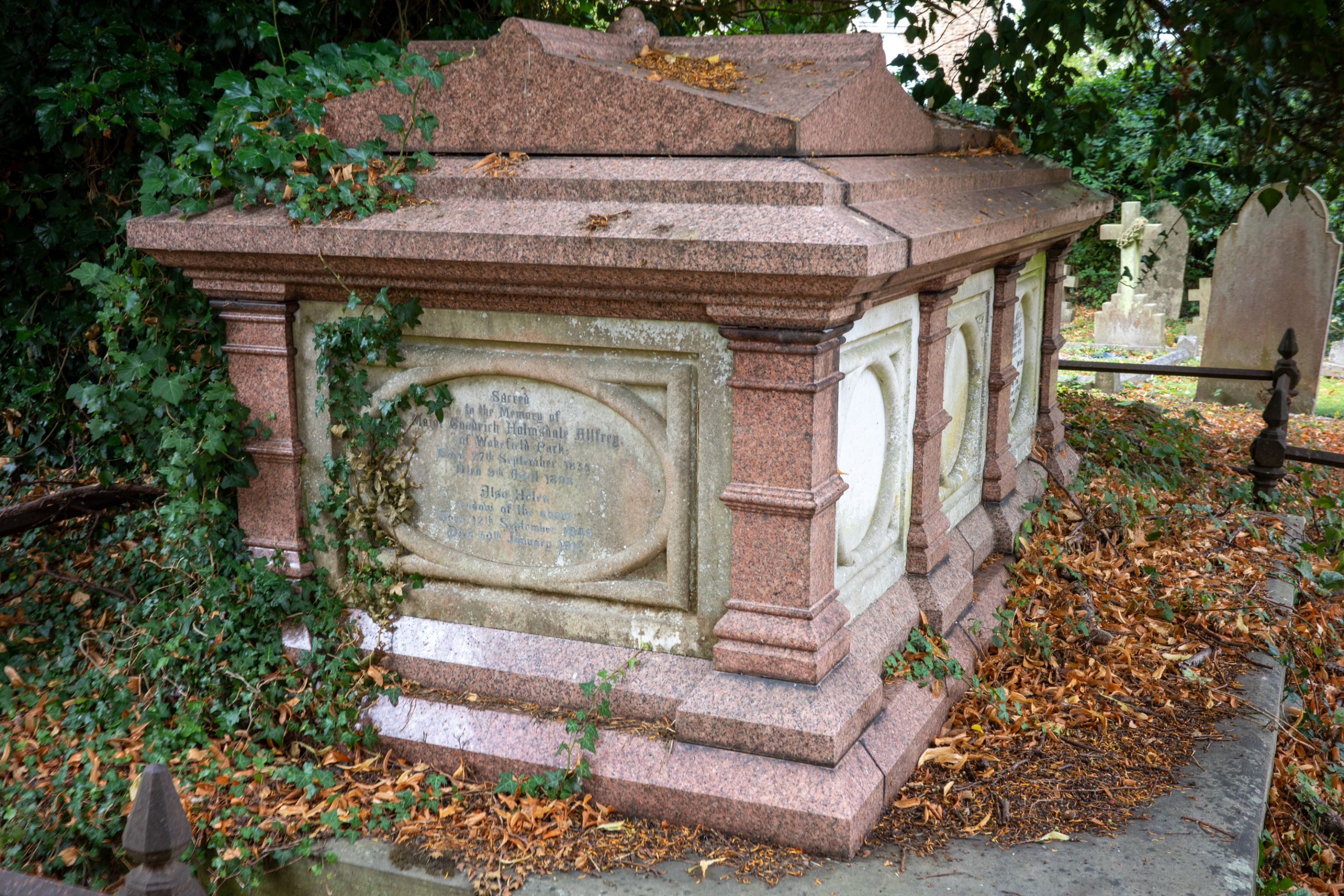 Major Goodrich Holmsdale Allfrey (1835-1898) was a significant figure in Berkshire, England. He was a major shareholder in Reid & Co., a porter brewing company, and resided at Wokefield Park. He was the eldest son of Robert Allfrey. Additionally, he served as High Sheriff of Berkshire.
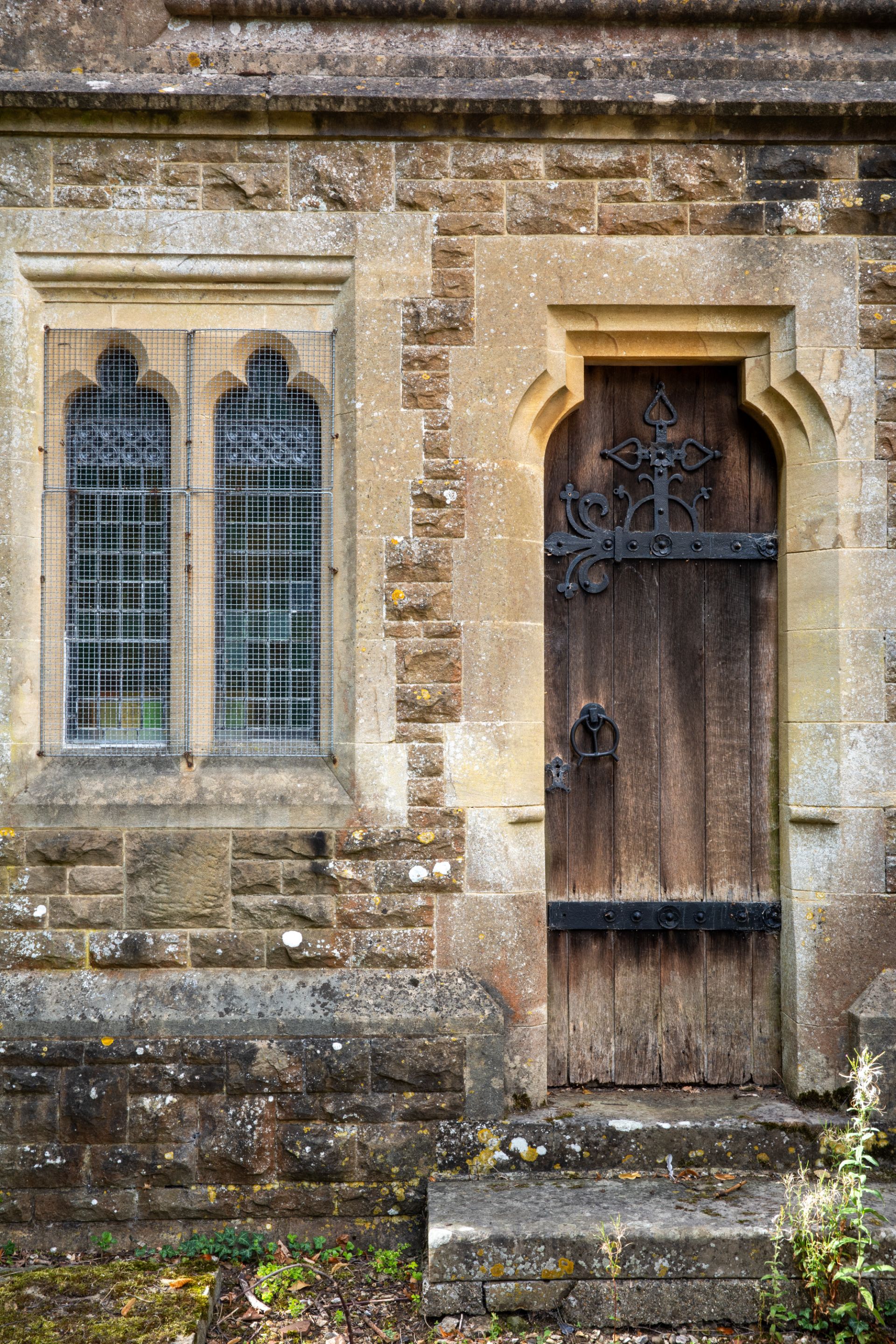
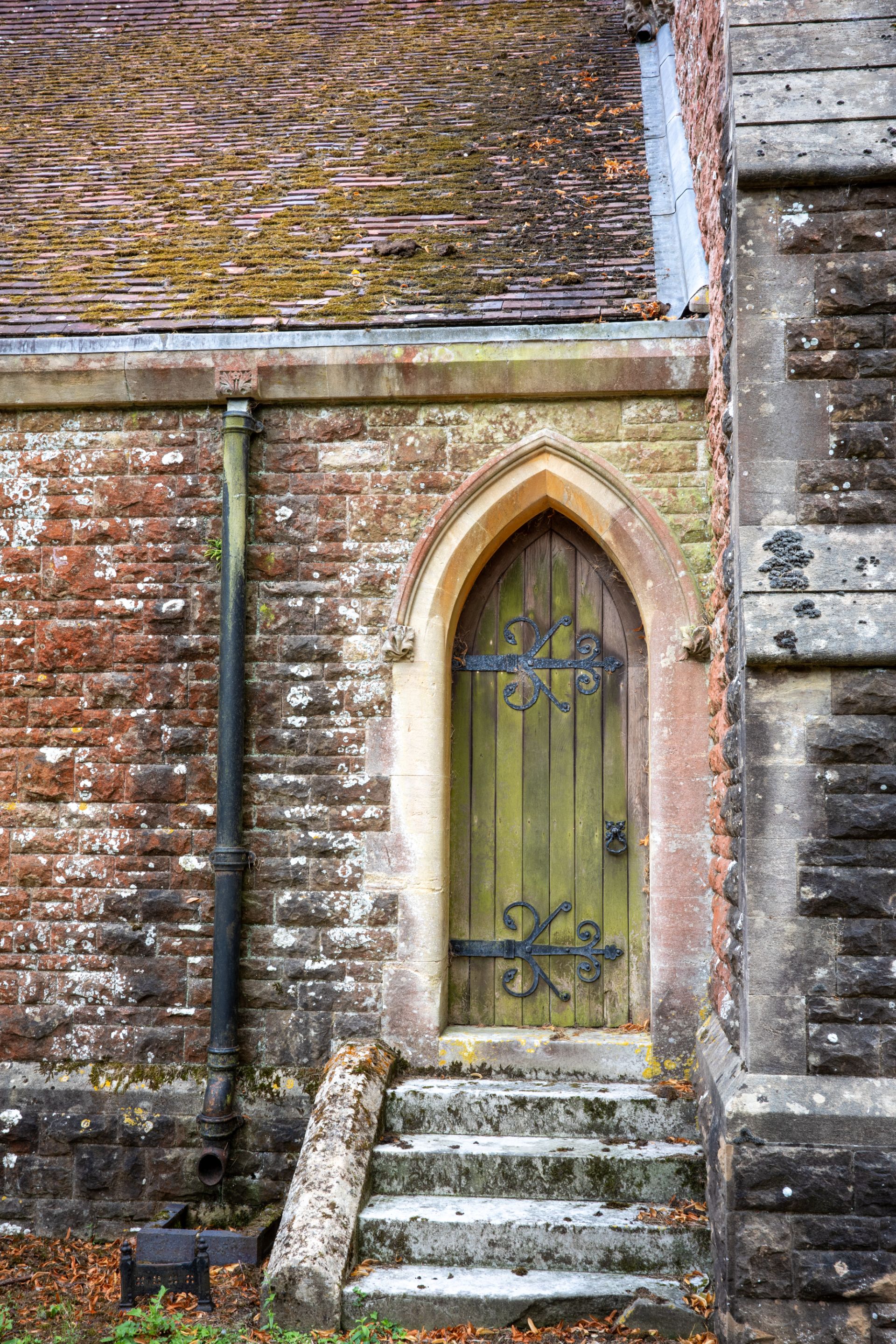
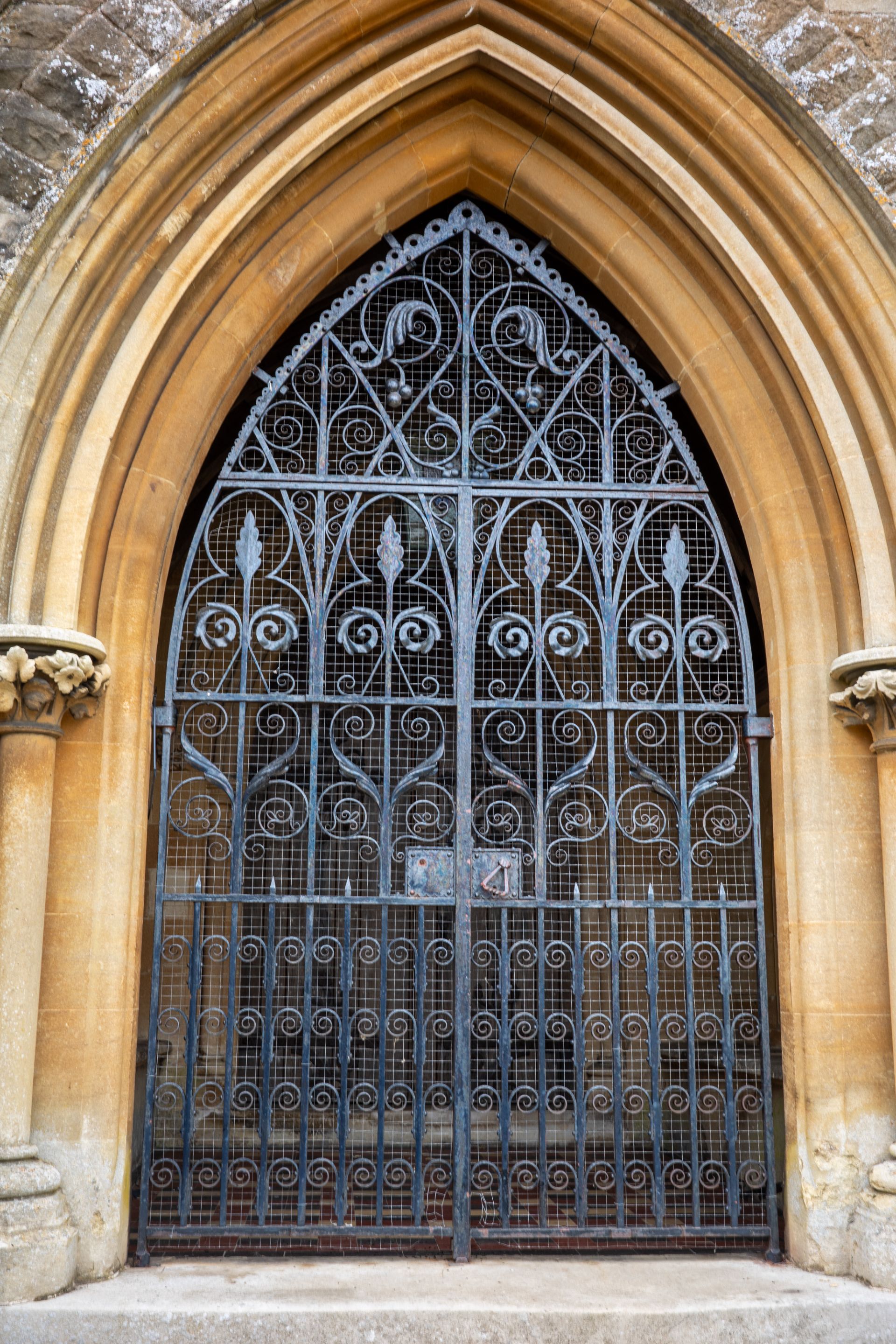
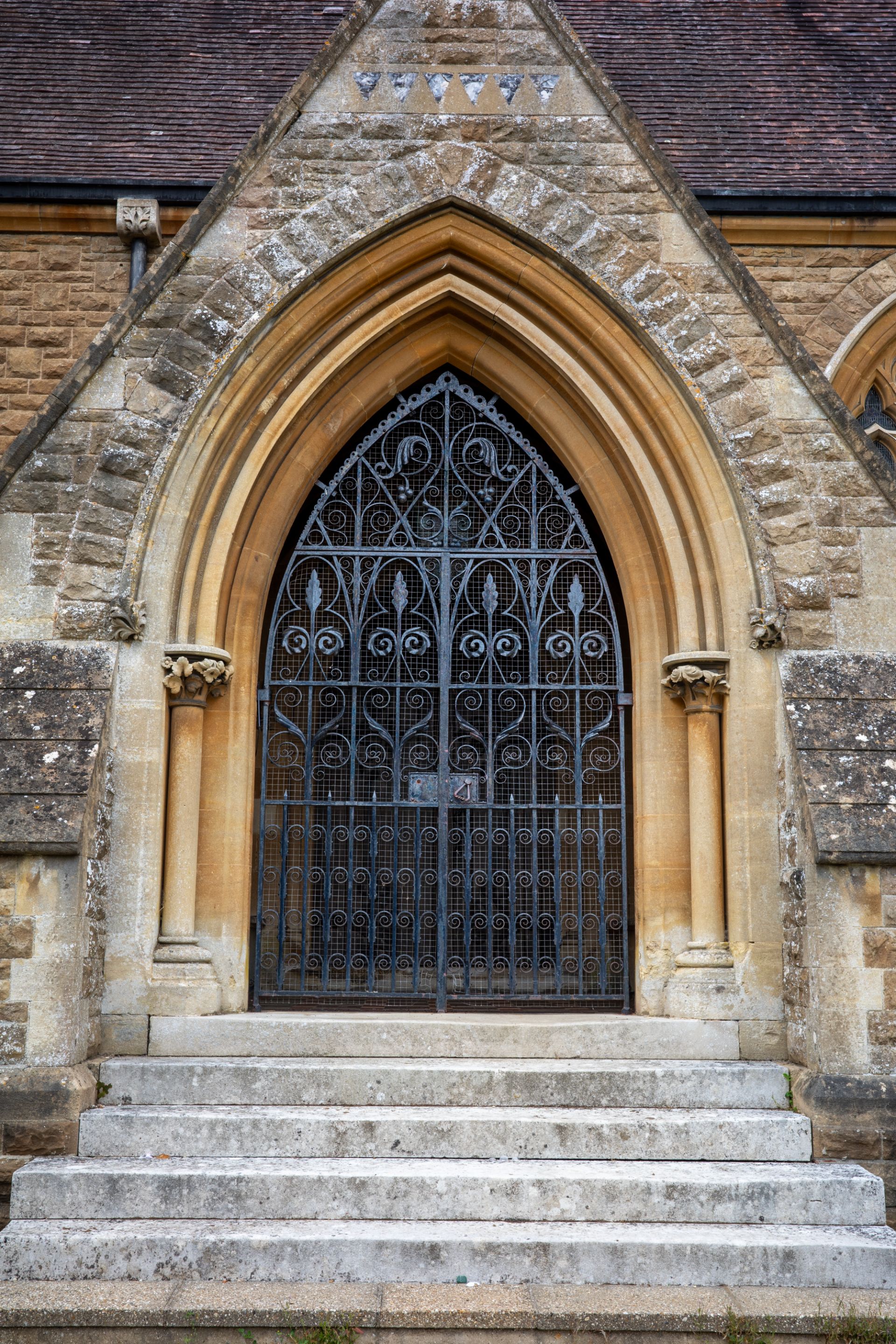 I would love to know the history behind this fantastic wrought iron outer doorway to the church, it looks fantastic.
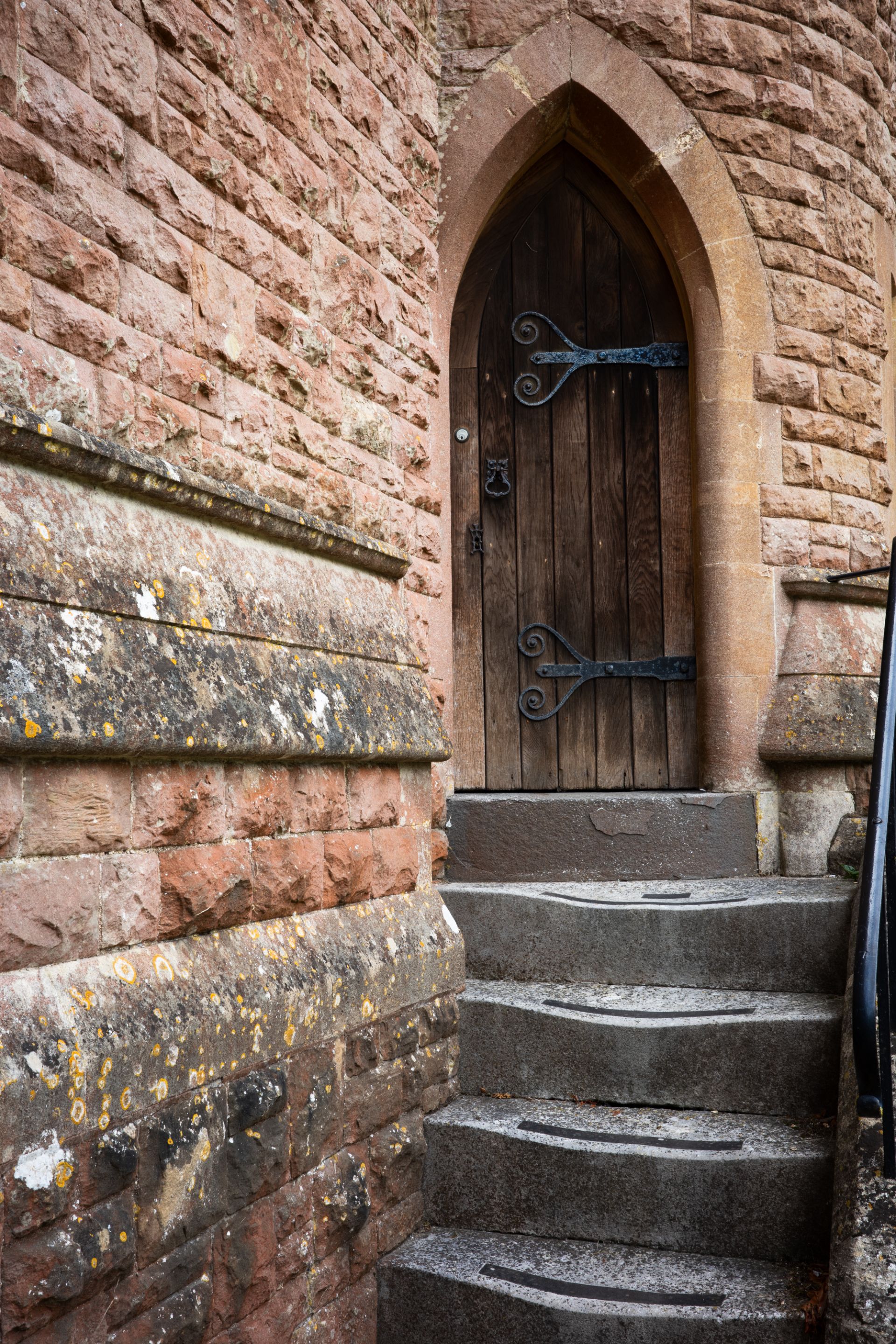
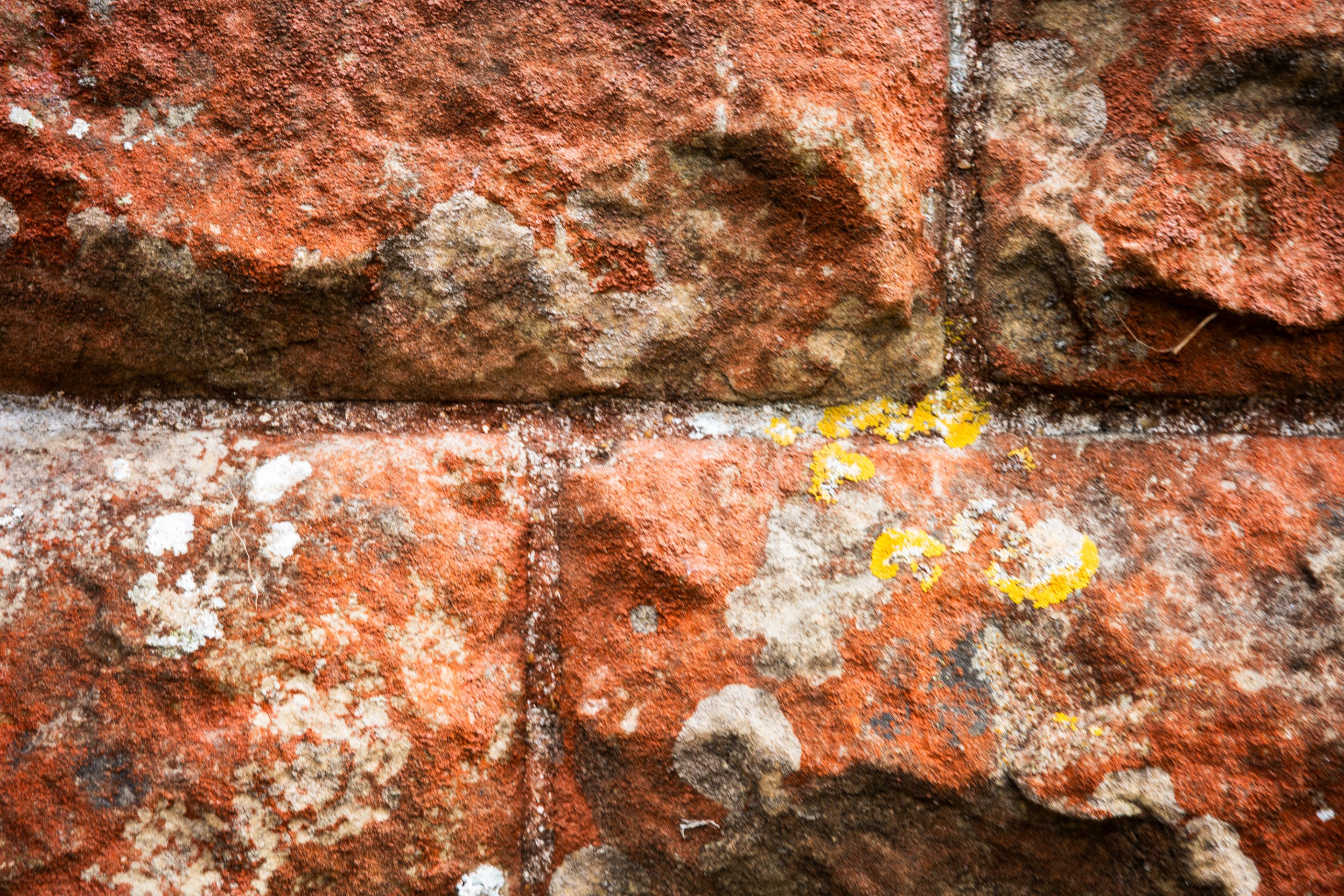
The church is constructed from Swindon and Bath stone
If interested in prints or digital downloads
Go to https://nickeblewis.picfair.com to see my photo library.